If you’re an overseas brand buyer sourcing metal POS display racks, pegboard fixtures and retail hanging stands from Chinese manufacturers, SPCC cold rolled steel will appear on nearly every material specification sheet you receive. Many importers only treat SPCC as generic low-cost mild steel, yet few fully grasp the rigorous multi-stage raw material screening standards upheld by professional Chinese retail display factories. Cutting corners on SPCC material grading, thickness, surface quality or export compliance leads to sagging display frames, flawed powder coating, failed salt spray testing and costly shipment rejections. For consistent, store-ready retail fixtures, reliable metal display manufacturers implement strict, layered SPCC selection protocols before any sheet enters cutting or bending production.
Mechanical Performance Grading Matched To Retail Display Load Types
SPCC mechanical property screening is split by the weight capacity of each retail display design, a critical detail most overseas buyers overlook when submitting RFQs for store fixtures.
-
- Light-duty countertop POS displays for cosmetics, small electronics and accessory hanging racks use standard annealed SPCC-SB, featuring tensile strength between 270–410MPa and minimum 26% elongation. This grade handles simple flat stamping and small hook cutouts without fracturing.
-
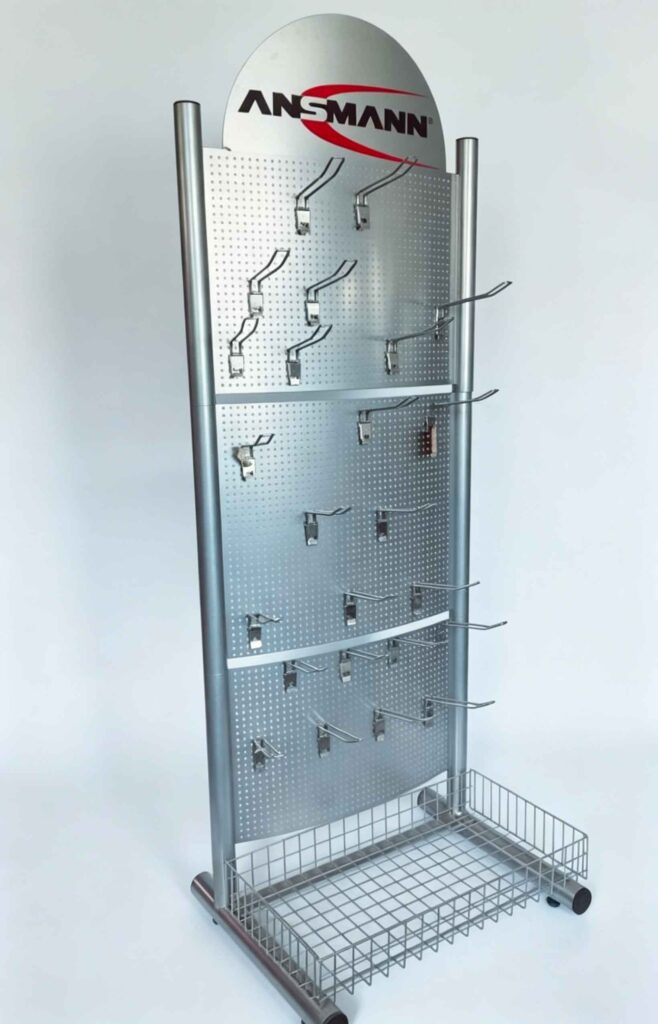
- Medium multi-tier floor retail racks for wine, hardware and grocery merchandise require certified SPCCT grade SPCC with full tensile test documentation, preventing permanent frame sag after months of continuous heavy product loading in busy retail spaces.
-
- Deep-drawn retail display components, such as curved product trays and folded pegboard backboard frames, require upgraded SPCD drawing-grade SPCC. Generic commercial SPCC splits along tight bend radii during deep forming, leaving visible cracks that ruin the clean, polished aesthetic essential for brand retail displays.
Factories that skip targeted SPCC grade sorting face elevated scrap rates, inconsistent finished rack quality and frequent client complaints about deformed retail fixtures after short-term in-store use.
Controlled Thickness Specifications With Zero Under-Gauge Tolerance
SPCC sheet thickness standards are fully customized to each retail display’s structural design, with absolute zero allowance for unapproved thin-gauge material substitutions — one of the most common sourcing traps for international retail brand purchasers.
-
- Decorative back panels, slim signage frames and lightweight wire display base supports: 0.8mm–1.0mm SPCC with ±0.05mm thickness tolerance, eliminating visible warping post electrostatic powder coating.
-
- Standard shelf layers and vertical support uprights for general retail POS fixtures: 1.2mm–1.5mm SPCC, balancing structural stability and shipping weight to control international ocean freight expenses for bulk national store rollouts.
-
- Heavy-duty retail displays for power tools, large home appliances and supermarket bulk goods: Minimum 2.0mm SPCC sheet for vertical columns and load-bearing cross beams.
Unethical suppliers regularly swap ordered 1.2mm SPCC for cheaper 1.0mm thin coils without client notification, producing unstable racks that fail retail in-store safety assessments within weeks of customer interaction. Our factory’s incoming QC team takes thickness measurements at 10 random width points across every SPCC coil to verify uniform gauge before offloading raw materials to the warehouse.
Surface Condition Screening For Flawless Retail Display Cosmetics
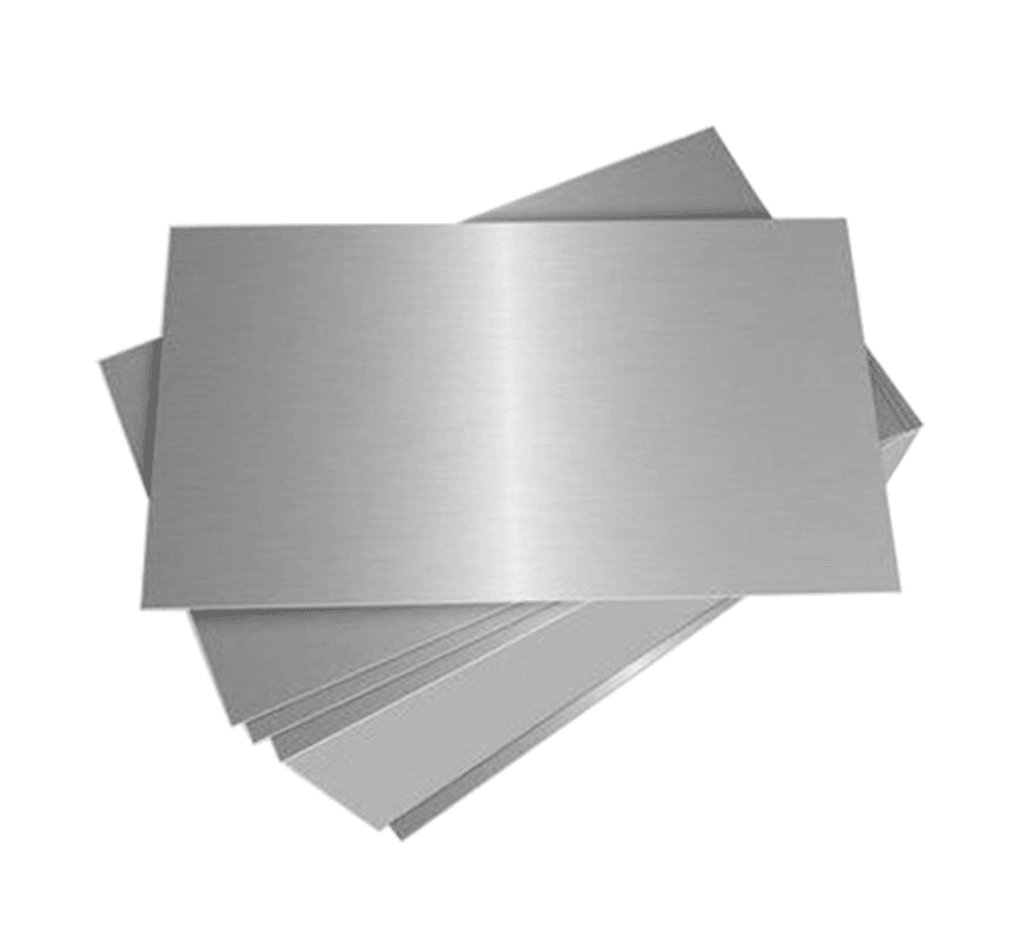
Raw SPCC surface quality directly determines the finished retail fixture’s visual appeal, a top priority for brand clients requiring consistent matte or glossy powder coating finishes across all store locations. Our factory exclusively accepts FB fine bright surface SPCC; FC ultra-fine surface steel is rejected as unnecessary cost inflation, while FD dull, pitted surface material is entirely banned from retail display production.
All incoming SPCC sheets must be free of rust stains, deep scratch lines, roller indentations and uneven mill anti-rust oil residue. Excess residual oil triggers fish-eye coating defects during powder spraying, while dry, unlubricated SPCC oxidizes rapidly during on-site storage, leaving permanent discoloration marks on completed POS racks. Each full-width SPCC coil undergoes line-by-line visual inspection; any section presenting surface imperfections is cut and discarded rather than fed into retail display manufacturing workflows.
Export Compliance Testing For Global Retail Market Shipments
The final SPCC raw material screening checkpoint targets export regulatory standards, essential for Chinese factories serving EU, US, UK and Southeast Asian retail chains. Before production commences, every SPCC batch is validated to meet RoHS and REACH restricted substance limits to avoid customs detention and shipment seizure after international transit.
While base SPCC steel naturally contains low heavy metal levels, we reject any coils treated with anti-rust oil carrying prohibited phthalate or lead additives. For retail store deployments in coastal, high-humidity tropical regions, we implement an additional pre-treatment benchmark: qualified SPCC substrate must achieve a minimum 500-hour neutral salt spray resistance rating after full phosphating conversion coating and powder finishing. If a SPCC sample fails paint layer adhesion testing during pre-production lab trials, the entire coil batch is returned to the steel mill — poorly bonded coating chips off retail display racks once installed in high-traffic shopping environments.
Why SPCC Is The Optimal Choice For Mass Retail POS Displays
Many overseas buyers ask why Chinese fixture factories avoid universally switching to cheaper hot rolled steel or premium stainless steel for retail racks. SPCC strikes the perfect balance for mass retail production: it delivers superior formability and ultra-smooth surface texture compared to rough hot rolled HR steel, at a fraction of stainless steel’s raw material cost, matching both the aesthetic requirements and tight unit pricing budgets of large-volume retail fixture orders.
The core difference between a dependable Chinese SPCC retail display manufacturer and low-cost discount competitors lies within these multi-layer raw material selection standards. Cutting corners on SPCC grade classification, thickness consistency, surface screening or export compliance testing lowers upfront unit pricing but generates expensive long-term aftersales issues: bent unstable display racks, patchy uneven coating, failed third-party retail audit reports and delayed national store rollout timelines.
When requesting metal retail display quotations from any China factory, always ask suppliers to share their complete SPCC raw material selection checklist and full mill test reports. Manufacturers that can clearly detail chemical composition, mechanical performance, thickness tolerance, surface quality and export compliance screening rules are reliable partners capable of delivering uniform, long-lasting POS display racks free from hidden material downgrades, unexpected shipment hold-ups and inconsistent rack performance across every retail store location.
Also can view more of our product in our production page.