Running an in‑store merchandising campaign brings many small, critical choices. Your display fixture shapes how shoppers notice, touch and consider your goods. Many brand buyers struggle to pick between floor‑standing units and counter‑top POS displays. Both options deliver real value, yet they serve very different retail goals. This article breaks down their strengths, limitations and ideal‑use cases to guide your next custom retail display rack project. DDL Verified Factory Showroom (Made‑in‑China):https://www.made‑in‑china.com/showroom/gpmetalwares
What Is a Floor‑Standing Retail Display Fixture
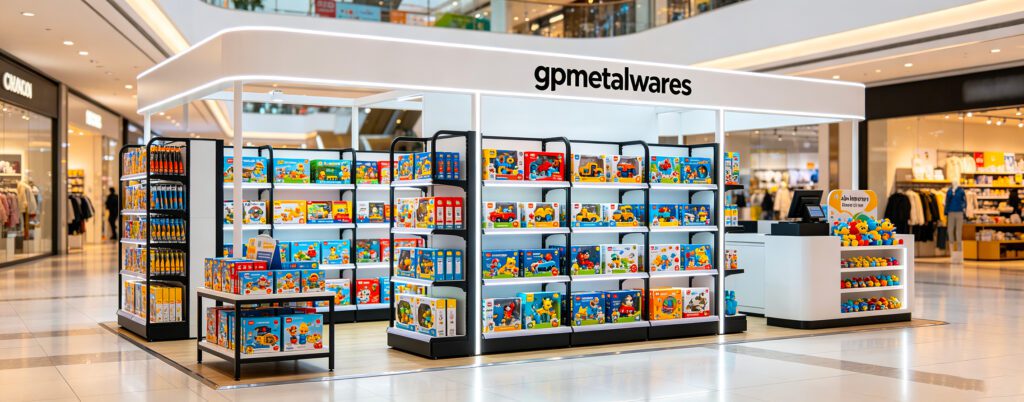
Floor‑standing displays sit directly on shop floors. They are freestanding, sturdy structures built for high‑visibility zones. Most OEM & ODM providers build these units with SPCC steel, wood veneer, MDF or acrylic sheets. Many add LED light strips, casters, pegboard panels and branded print finishes for retail environments.
Since these stands occupy floor space, they catch eyes from further away. Shoppers walking down aisles or store entryways can spot branded messaging without stopping close. Even so, floor displays take up valuable retail square footage. Small convenience stores or compact checkout zones may lack room for large freestanding hardware.
Moreover, heavy‑duty floor‑standing fixtures hold bigger product volumes. You can stock full product lines, accessory sets and demo‑ready merchandise on one unit. Brands launching new product campaigns often lean on these displays for in‑store brand showcase solutions. Still, you need to account for weight‑load testing during factory quality control before shipment.
Core Benefits of Floor‑Standing Displays for Retail Spaces
First, floor‑standing fixtures grant strong brand visibility across large store zones. You place them near entrances, mall pop‑up booths or supermarket aisle ends. Pass‑by foot traffic gets repeated exposure to your brand logo and product range.
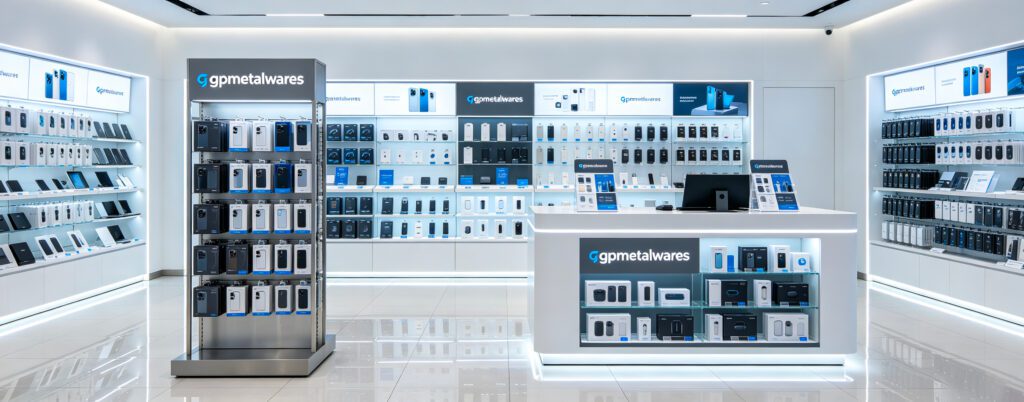
Next, these units support higher product capacity. You can arrange multiple SKUs, spare stock and interactive demo stations all in one spot. Heavy‑duty metal retail display fixtures handle heavier items without bending or wobbling. That makes them perfect for home goods, electronics and vacuum‑style retail merchandise.
Additionally, many custom floor‑standing retail display racks include modular designs. You swap shelves, hooks or back panels to refresh layouts for seasonal promotions. Some models install rolling casters. Store staff can move the whole unit between zones without complex tools.
On the downside, floor‑standing displays cost more for material and shipping. They also demand larger minimum order sizes in most OEM factory projects. If your retail partner has tight floor‑space limits, this fixture type may not get approved.
What Is a Counter‑Top POS Display Stand
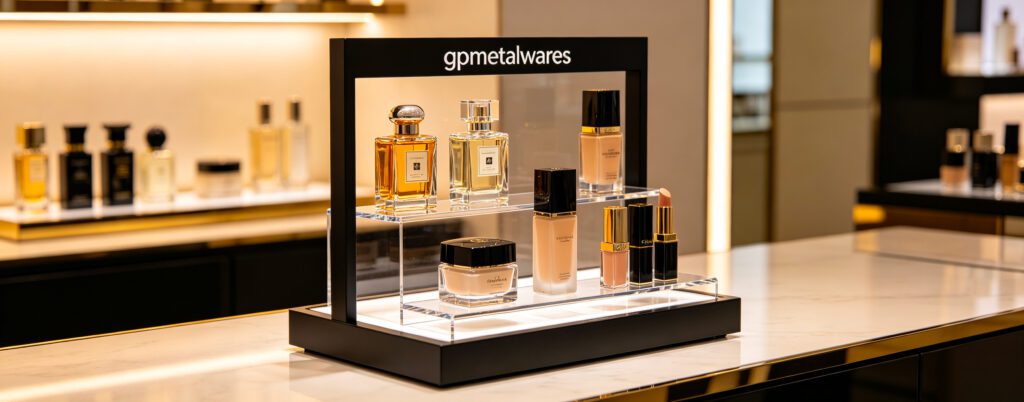
Counter‑top displays sit on checkout counters, shop desks or small shelf surfaces. These compact POS fixtures target shoppers already paused at decision‑making points. Customers stand right in front of the unit while waiting to pay or browse small‑format goods.
Manufacturers build counter‑top units with acrylic, thin metal frames or finished MDF panels. Many add compact LED lighting for cosmetics, earphones or small‑size consumer goods. They fit small‑footprint locations, such as beauty salon counters or electronics specialty shop demo areas.
Counter‑top display stands do not draw distant attention. Their power lives in close‑range customer interaction. Shoppers reach out to touch, examine or test small‑sized merchandise right on the counter surface. This proximity drives impulse‑buy conversions at checkout zones.
Key Advantages of Counter‑Top Retail Displays
Counter‑top POS display stands need minimal physical space. Shop owners with limited floor real estate can easily accept these units. You will face fewer push‑backs from retail partners worried about aisle congestion.
These fixtures carry lower overall production costs compared to large floor‑standing builds. Raw‑material consumption drops for custom acrylic retail promotional stands. Even smaller brand campaigns can afford custom‑printed counter‑top hardware.
Besides cost benefits, counter‑top displays push impulse sales effectively. Waiting shoppers glance down at nearby small‑format goods. Accessories, sample‑size items and portable electronics perform very well in this setup. Many vape retail chains and beauty boutiques rely heavily on counter‑top POS fixtures for steady uplift in unit sales.
One major limitation applies. You cannot load bulky or heavy merchandise onto a counter‑top display. Overloading causes tipping risk and counter‑surface damage. Stock volume stays limited, so store teams must perform frequent restocks.
How To Match Fixture Type To Your Merchandise Type
Think over your product size and weight first. Large, heavy retail merchandise pairs best with floor‑standing metal retail shelf fixtures. Vacuum cleaners, large‑format home goods and full‑size demo kits fit this profile.
Small‑format goods such as headphones, perfume samples and cosmetic accessories shine on counter‑top POS display stands. Their compact build lets shoppers pick up and examine individual items with ease.
Then evaluate your target store location. Are you aiming for store entry zones or aisle endcaps? Pick floor‑standing retail display fixtures. Are you targeting checkout counters and small service desks? Choose counter‑top POS hardware instead.
You also need to review your retail partner’s space rules. Some chain retailers enforce strict limits on floor‑placed hardware. In these cases, a well‑branded counter‑top unit becomes your only feasible option.
Mix‑and‑Match: Combine Both Display Styles For Better Results
Many successful retail campaigns do not choose only one fixture type. Instead, brands deploy floor‑standing units for primary brand storytelling. They place matching counter‑top POS displays at checkout points to capture final‑moment impulse purchases.
For instance, a home‑goods brand can install a large freestanding floor‑standing display near a shop entrance. This unit showcases full‑size main‑line products. Meanwhile, matching counter‑top acrylic retail promotional stands hold small add‑on accessories by the register. This layered setup covers distant brand awareness and close‑range conversion at the same time.
When ordering custom hardware, work with your OEM factory to align design language. Keep logo placement, surface finish and colour themes consistent across floor‑standing and counter‑top units. Unified visuals reinforce your brand identity inside multiple retail zones.
Important Practical Notes Before You Place Custom Orders
Before confirming mass production, share clear requirements with your display fixture manufacturer. Reputable Dongguan‑based factories offer full OEM & ODM customisation service. You can adjust frame structures, surface colours, logo printing techniques and LED lighting layouts for each project.
Always confirm load‑bearing testing for floor‑standing retail display racks. Quality control checks prevent onsite structural wobble after delivery. For counter‑top POS displays, confirm total unit weight. Avoid overly‑heavy builds that place stress on thin retail counter surfaces.
Take shipping and logistics into account as well. Larger floor‑standing fixtures increase packaging volume and freight expense. Counter‑top units bring lower logistical overhead for cross‑border wholesale shipments to Europe, North America or Southeast Asia markets.
Final Thoughts: Pick Based On Your Real‑World Retail Goals
Floor‑standing retail display fixtures deliver broad visibility and higher product‑holding capacity. They excel for large‑size merchandise, new‑product launches and high‑traffic store zones. Yet they demand floor space and carry higher production costs.
Counter‑top POS display stands shine for impulse‑driven, small‑format merchandise. They fit compact retail spots and come with more approachable budget requirements. Still, they cannot carry heavy or bulky retail goods.
You do not need to lock yourself into one single format. Evaluate your merchandise, retail‑partner constraints and campaign goals. You may find the strongest results come from pairing both fixture styles together. Partner with an experienced custom‑display manufacturer to turn your retail merchandising vision into physical in‑store hardware.