Verified Factory Showroom (Made-in-China):https://www.made-in-china.com/showroom/gpmetalwares
Introduction
DDL as Global retail markets carry unique local legal rules for in-store display fixtures.
Every region sets hard limits on material safety, structural stability and packaging rules.
Dongguan custom metal POS display manufacturers like GP Metal Wares adjust every design detail early.
Their OEM retail metal display racks serve buyers across North America, EU and Oceania markets.
Ignoring regional retail laws leads to customs hold, product rejection or costly redesign work.
By matching fixture blueprints to local compliance standards, factories cut cross-border shipping risks.
This guide breaks down how Chinese display makers tweak frames, materials and labels per national rules.
1. Material Design Adjustments to Match Global Safety Standards
Raw material rules form the first legal barrier for exported metal retail display racks.
Different nations ban harmful chemical coatings on fixtures for grocery, beauty and kids’ stores.
For EU clients, all metal frames must pass full RoHS heavy metal restriction testing.
GP Metal Wares switches low-lead baking paint for SPCC steel frames on European orders.
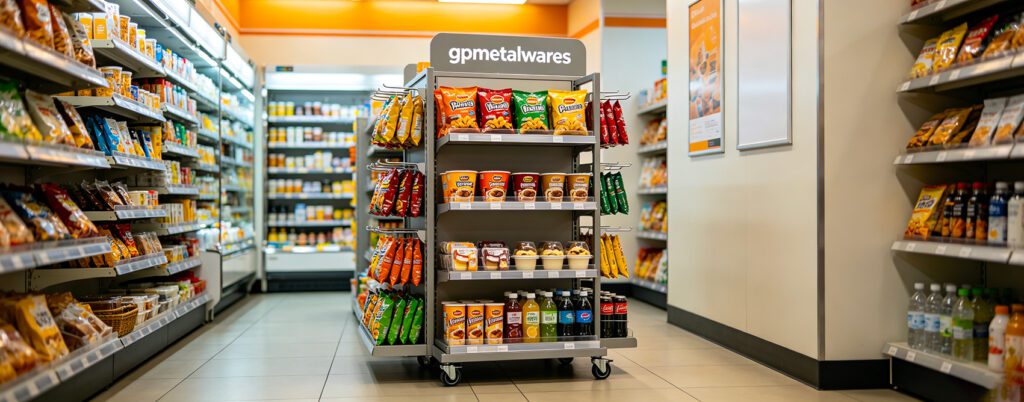
Meanwhile, US retail chains demand food-safe coating for snack and supermarket POS stands.
Factory R&D teams swap standard spray paint for FDA-approved anti-scratch surface layers here.
For Australian importers, wood veneer panels need formaldehyde emission limit certification.
Many local store laws ban high-formaldehyde boards near food and cosmetic product zones.
Beyond coating rules, LED lighting built into illuminated display cabinets follows separate rules.
EU EMC rules require insulated wiring channels inside hidden corner bracket structures.
Factories add sealed hollow metal brackets to wrap light cables without exposed wiring gaps.
These small structural tweaks stop customs inspection delays for LED retail promotional displays.
2. Structural Safety Modifications for Regional Retail Liability Laws
Nearly all Western countries enforce strict anti-hazard rules for in-store metal display racks.
Local retail laws hold brands liable if fixtures tip over and injure shoppers or children.
US store codes demand wider base foot brackets for freestanding floor display stands.
Chinese factories extend folded steel base plates and add extra triangular gusset supports.
They also pre-drill mounting holes so retailers bolt racks firmly to concrete store floors.
EU retail safety laws ban sharp exposed edges on metal wire pegboard display systems.
Workers fold and grind all L-shaped custom corner brackets to eliminate sharp metal burrs.
Mobile display carts with rolling casters face extra stability rules in Canada and UK markets.
Legal standards require dual lock wheels to stop carts sliding during customer restocking.
GP Metal Wares upgrades cheap plastic casters to heavy-duty locked wheel sets for these orders.
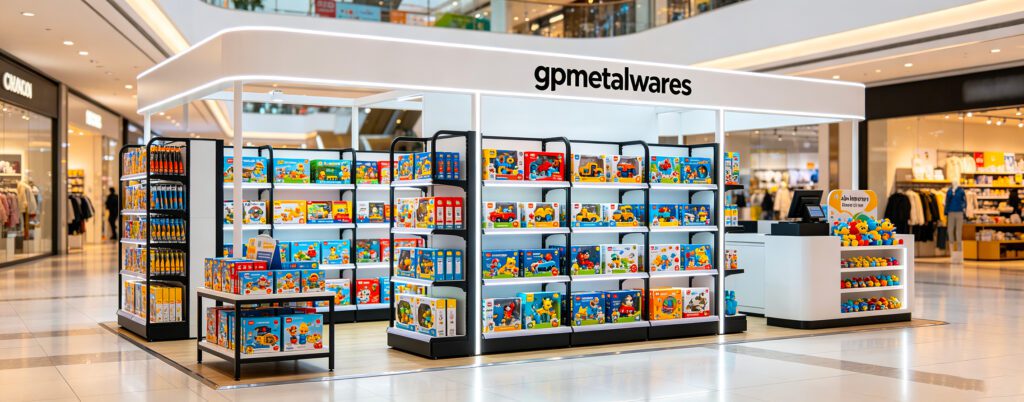
For child-focused toy retail zones, local laws limit shelf height and gap spacing between bars.
Design teams narrow wire rack gaps to stop small kids trapping fingers inside display frames.
Every structural change gets load-bearing testing in the factory’s independent QC lab before shipment.
3. Wooden Packaging Compliance to Meet International Quarantine Rules
ISPM 15 phytosanitary rules apply to all wooden packaging holding retail display racks.
This law varies sharply between Southeast Asia, Europe and Australian customs offices.
Australia and New Zealand enforce zero tolerance on unprocessed solid wood pallet crates.
Chinese display factories shift to heat-treated IPPC-marked wood frames for shipments here.
They also offer full corrugated cardboard flat-pack packaging as a cheaper alternative option.
Many US retail importers prefer flat-pack foldable bracket designs to cut wooden crate volume.
Smaller crates lower ocean freight fees and speed up port quarantine inspection workflows.
For Middle Eastern markets, plastic wrapping must avoid restricted plastic additives per import rules.
Factory packaging teams swap standard stretch film for eco-compliant wrapping materials on these batches.
Without matching packaging laws, full container loads of custom retail metal display racks face return shipping.
4. Labeling & Warning Print Customization per Local Retail Legal Text Rules
Each country mandates specific printed warning text on finished retail display fixtures.
Laws set required language, font size and placement for safety and compliance labels.
North American orders carry English-only hazard stickers near all moving cart and shelf parts.
EU retail laws force dual-language labels with both English and local regional tongue text.
Brands selling in France, Germany and Spain need bilingual print on metal frame side panels.
Australian consumer laws demand clear “keep away from young children” printed graphics.
Silk screen or UV digital printing teams integrate these marks during production finishing steps.
Food retail POS display racks get extra labeling rules across all Western market regions.
Printed text must list safe temperature limits for fixtures holding edible grocery goods.
Factories coordinate with client brands early to lock label layouts before mass production begins.
Last-minute print edits create costly production delays for large batch OEM orders.
5. Certification Documentation Tailored to Target Market Import Laws
Customs officers request different official certificates based on the receiving nation’s retail laws.
No single certification covers every global market for custom metal retail display racks.
EU buyers require full RoHS test reports plus SMETA social audit paperwork for chain stores.
US supermarket groups ask for coating safety data sheets and structural load test records.
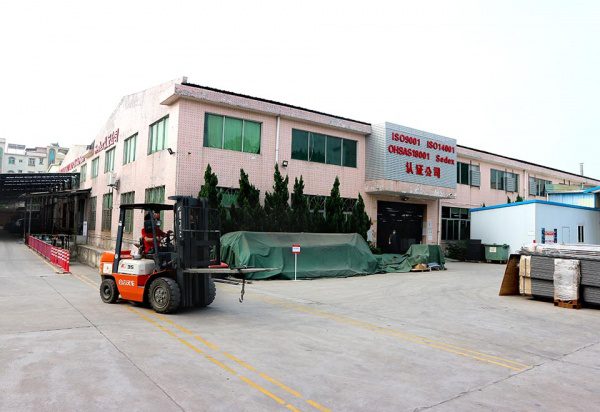
GP Metal Wares holds ISO 9001 and ISO 14001 certification to satisfy most Western importers.
The factory generates market-specific compliance folders to attach with each shipment bill of lading.
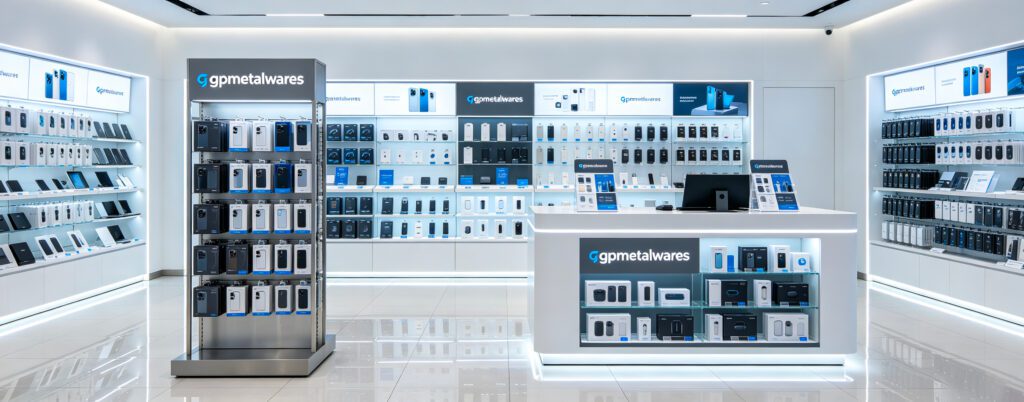
For electronics retail display kiosks, additional EMC light function test files join the document pack.
Many small Chinese fixture makers skip tailored paperwork and face repeated customs audits.
Preparing region-matched certification packs cuts clearance waiting time at destination ports.
6. Flat-Pack & Assembly Design Shifts Driven by Cross-Border Trade Laws
Incoterms shipping rules and local assembly labor laws reshape display rack bracket designs.
Countries with high retail labor costs favor fully flat-pack detachable corner bracket systems.
These split metal frames cut warehouse storage space and lower on-site assembly working hours.
UK and German retail chains push for tool-free lockable bracket connections under local labor codes.
Chinese R&D staff redesign L-shaped brackets to use twist-lock fasteners instead of tiny loose screws.
Regions with cheap in-store labor accept semi-assembled display rack frames for faster production.
Legal import weight limits also push lightweight material mixes for South American retail buyers.
Factories swap thick solid steel for thin high-tensile SPCC frames paired with acrylic panels.
This material blend cuts container weight to stay within national customs weight thresholds.
Conclusion
Adapting custom retail metal display rack designs to foreign retail laws shapes export success.
Material safety tweaks, structural reinforcement and packaging edits avoid costly border hold-ups.
Dongguan OEM factories like GP Metal Wares integrate regional legal rules at the initial drawing phase.
Their full one-stop production chain covers bracket molding, coating printing and compliance testing.
Global retail importers gain steady supply chains when factories pre-align fixtures to local standards.
Any brand sourcing bespoke POS display fixtures should share target country legal rules early in sampling work.
Early compliance design adjustments save time, shipping cost and brand reputation long term.