Why Regional Climate Shapes Custom Retail Display Fixture Performance
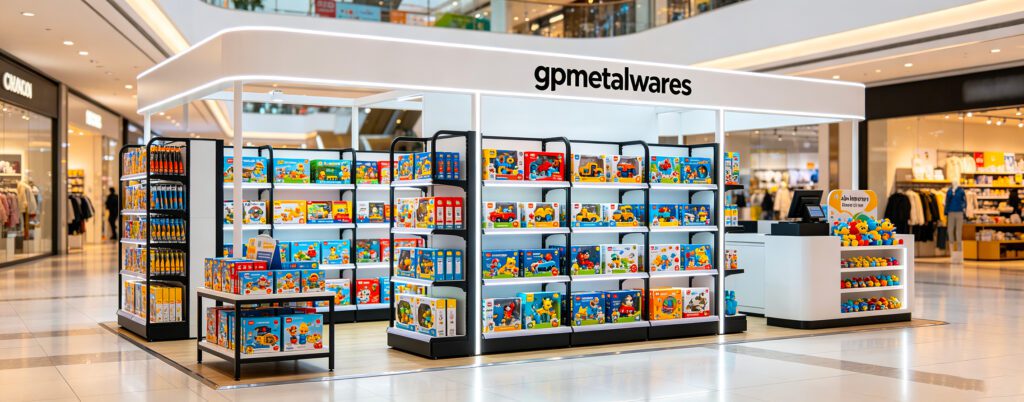
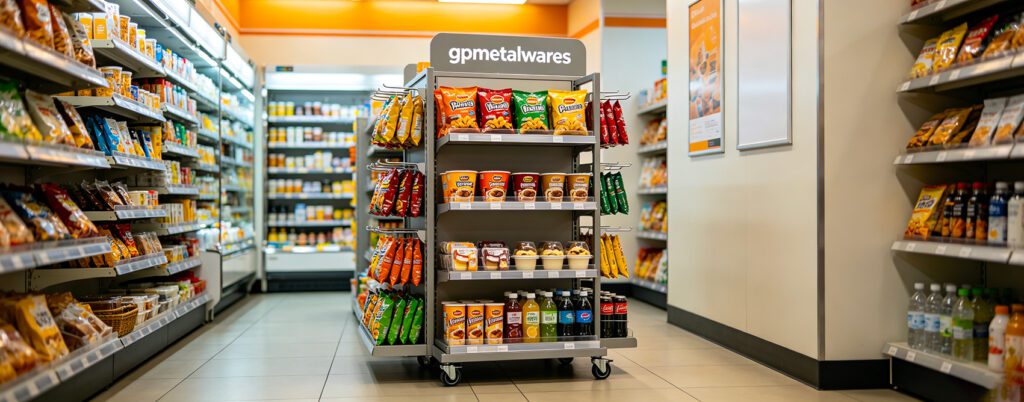
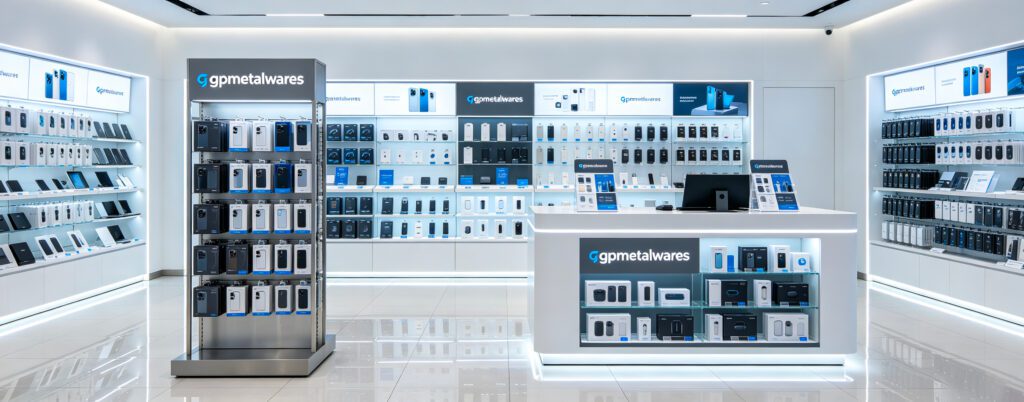
Many brand retailers overlook climate factors when sourcing custom retail display stands. The same metal retail shelf can perform differently across global regions. Cold winter conditions in parts of the EU create unique material stress. Meanwhile, high‑moisture air across Southeast Asia brings its own set of fixture risks. Even well‑made counter top POS display may warp, rust or degrade fast without climate‑focused adjustments. Therefore OEM and ODM suppliers must tailor material mixes and surface finishes for target markets. Gpmetalwares Co., Ltd builds bespoke retail display stand solutions for both zones (Verified Factory Showroom (Made‑in‑China):https://www.made‑in‑china.com/showroom/gpmetalwares).
Key Display Fixture Challenges in Cold EU Regional Retail Spaces
First of all, low indoor and outdoor temperatures impact physical fixture components. Rapid temperature swings happen between store interiors and cold street entrances. Wood veneer and MDF panels face contraction under cold‑dry air. Cheap untreated wood‑based parts may crack or form loose joints over time. LED retail promotional stand electronics also suffer from cold‑condition stress. Waterproof LED light strips can face connection failures if built with low‑grade wiring. SPCC steel retail display fixture needs proper coating to resist dry‑cold brittleness on welded joints. Moreover, store heating cycles add repeated expansion and contraction stress. Modular retail display system connections may grow loose after months of thermal cycling. For this reason, manufacturers must run targeted structural stability testing during QC phases. Gpmetalwares completes multi‑layer checks including load‑bearing weight tests before shipment for EU clients. Even acrylic retail promotional stand items can turn brittle when exposed to sustained low temperatures. Selecting suitable acrylic sheet grades becomes non‑negotiable for northern EU retail projects.
Main Display‑Risks Brought by Southeast Asia’s Humid Environment
On the other hand, constant high humidity creates totally different failure modes for retail store shelf fixture. Moisture seeps into porous wood‑composite boards without proper sealing. Bare MDF will swell, bubble and lose shape within months of heavy humidity exposure. Unprotected metal frames face accelerated rust and surface corrosion. Corrosion spots ruin the look of custom branded retail pop display fixture inside shopping‑mall pop‑up booths. In addition, warm damp air promotes mould growth on uncoated solid wood veneer panels. Printed logo layers may peel away if surface finishing cannot withstand moisture exposure. Mobile display cart with rolling casters also faces risk. Wheel‑mount hardware corrodes and jams under ongoing humid conditions. Even tempered display glass can gather persistent condensation in high‑humidity retail zones. Accordingly, raw‑material incoming inspection must filter out non‑weather‑resistant inputs for Southeast market orders.
Material Selection Tips for Cold‑Climate EU Retail Display Projects
Nevertheless, smart material choices offset most cold‑climate risks for your retail store promotional metal display rack. Prioritise flexible anti‑scratch coating layers over rigid brittle surface paints. These coatings tolerate repeated thermal expansion and contraction cycles. Choose high‑impact acrylic sheets for counter‑top display units instead of economy‑grade alternatives. Reinforce all welded joints on heavy‑duty SPCC steel retail display fixture. Reinforcement reduces loosening risks from temperature‑driven movement. For wood elements, use stable solid wood veneer panels with flexible sealant layers. Avoid thin, low‑density MDF for floor‑standing display stands in cold‑zone stores. What’s more, specify cold‑rated waterproof LED light strips for illuminated retail promotional display. These components resist voltage‑drop issues during low‑temperature operation. Gpmetalwares can adjust every material combination per your EU retail layout requirements. All batches go through light‑function aging test inside its independent quality‑testing labs.
Optimising Fixture Build for Southeast Asia’s Hot‑Humid Retail Conditions
Meanwhile, anti‑humidity upgrades form the core of successful Southeast‑market display builds. Fully seal all cut edges of MDF boards with multi‑layer waterproof treatments. Skip raw corrugated cardboard for permanent in‑store merchandising fixtures. Pick powder‑coated steel frames to block moisture‑driven rust formation. Gloss‑matte acrylic sheets hold up well, yet confirm full edge sealing on every cut piece. Apply high‑grade UV digital printing instead of basic silk‑screen printing for brand logos. UV‑cured prints resist moisture‑triggered peeling far better. When you order mobile display cart units, select stainless‑steel axle parts for casters. These hardware parts fight corrosion in humid shopping‑mall environments. Tempered display glass works well, but add anti‑condensation design notes during your ODM brief. Remember that all raw materials should pass strict environmental safety testing for Southeast import standards. Such compliance helps buyers avoid customs clearance obstacles for cross‑border wholesale shipments.
Balancing Custom Design, Climate Needs and Overall Project Budget
In fact, climate‑adaptive adjustments add modest extra costs to your custom retail display fixture order. Yet these small investments prevent expensive early‑stage fixture replacement later. Start by sharing your target market climate profile in your first supplier inquiry. OEM custom metal retail display rack projects gain huge value from this simple step. Your factory can then propose realistic material tweaks without unnecessary over‑engineering. If budgets stay tight, focus upgrades on high‑risk components only. For example, upgrade metal frame coating while keeping proven standard acrylic showcase parts. Also reference the factory’s past reference cases for your target geography. Gpmetalwares delivers finished‑unit pre‑assembly and testing before packing. This process catches hidden structural weaknesses linked to climate‑related stress points.
Final Thoughts: Match Your Retail Display Build to Local Operating Climate
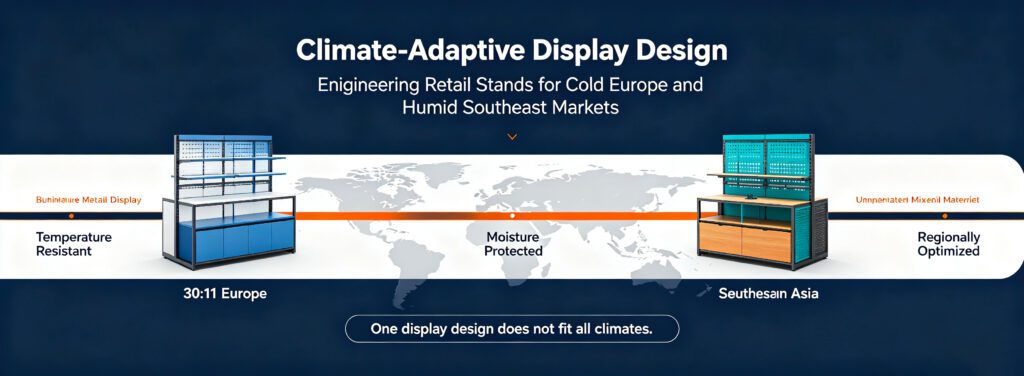
In short, one‑size‑fits‑all retail display designs rarely perform well across divergent global markets. Cold‑area EU projects demand thermal‑resistant materials and reinforced joint construction. Southeast‑humid‑market orders require heavy moisture‑sealing and anti‑corrosion hardware. Whether you order counter top POS display, freestanding floor display stand or themed demo display booths, climate cannot be an afterthought. Work with an ISO‑certified manufacturer that understands regional merchandising challenges. Share store environment details alongside your brand image and retail‑store layout requirements. Visit Verified Factory Showroom (Made‑in‑China):https://www.made‑in‑china.com/showroom/gpmetalwares to review sample work and send your custom‑display project inquiry.