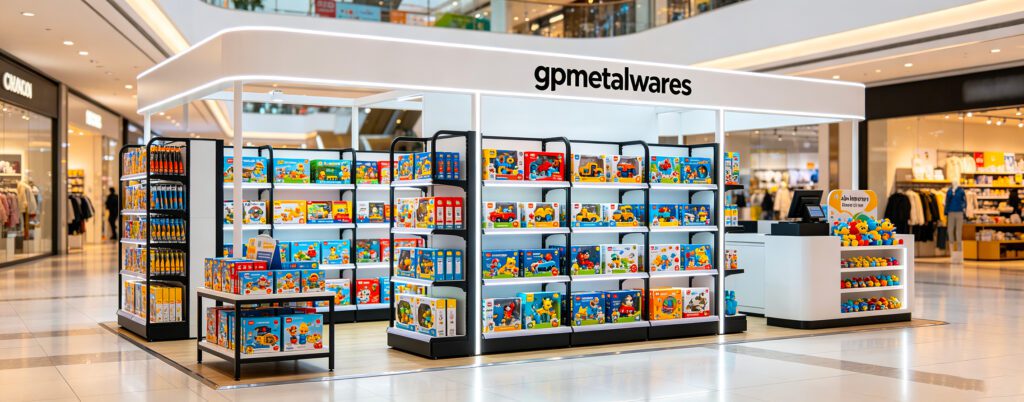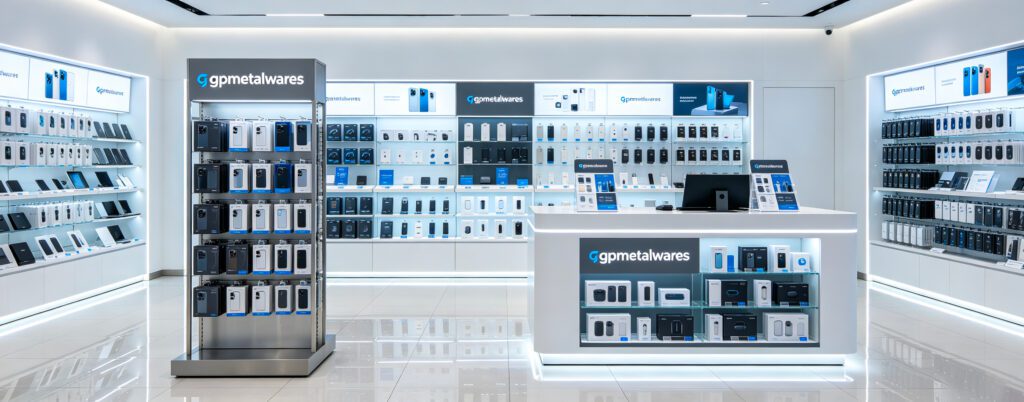
DDL’s custom retail display fixtures shape how brands connect with shoppers in physical stores. Many buyers focus only on final finished‑product checks before shipment. Yet semi‑finished product inspection stands as one of the most underrated quality‑control steps for OEM and ODM POS display racks, metal retail shelf and acrylic promotional stand production. Even small structural flaws at this phase snowball into costly assembly failures, unstable floor display stands or LED light malfunctions once production moves forward. At GPmetalwares Co., Ltd, our multi‑layer quality control system runs through every manufacturing stage, and semi‑finished structural stability testing sits at its core. You can explore our Verified Factory Showroom (Made‑in‑China):https://www.made‑in‑china.com/showroom/gpmetalwares to view our custom retail store shelf fixture and heavy‑duty SPCC steel retail display fixture portfolio firsthand.
Why semi‑finished inspection matters for custom retail display production
Raw material incoming inspection filters unqualified metal, MDF, acrylic and tempered glass before cutting starts. Even premium eco‑friendly raw materials can develop defects after laser cutting, precision bending or CNC engraving. Without mid‑production checks, these hidden issues pass to surface finishing, custom brand printing and LED light integration steps. As a result, factories waste paint, ink and labor on parts that will fail load‑bearing weight tests later. Moreover, fixing flaws on semi‑finished components costs far less than reworking completed branded retail pop display fixtures. For cross‑border wholesale buyers serving North America, European Union or Southeast Asia markets, early defect detection avoids customs clearance obstacles and frustrating after‑sales troubles for overseas distributors.
Core checkpoints for metal semi‑finished retail display frames
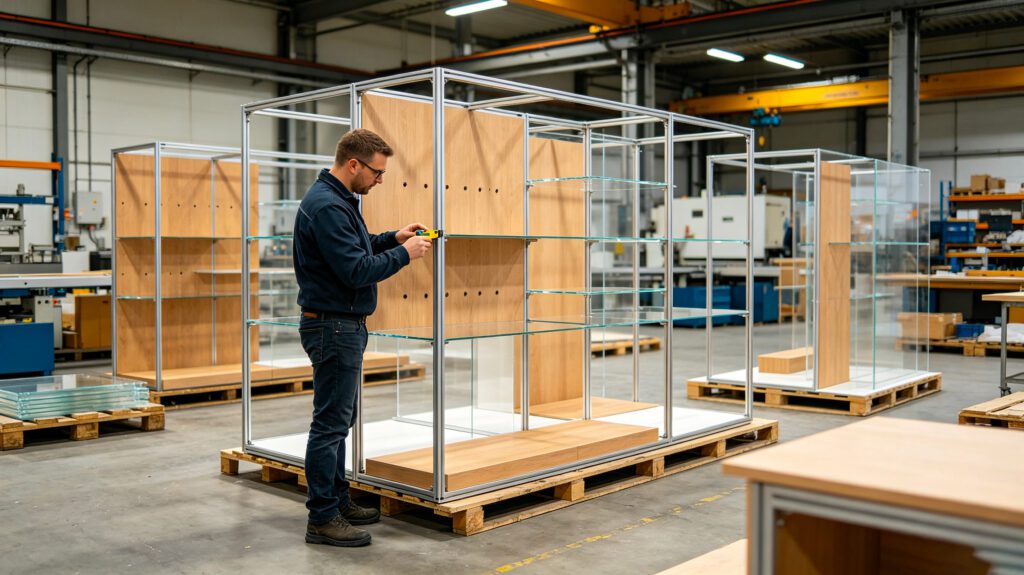
Metal forms the skeleton for most custom metal retail display rack and supermarket merchandising shelf units. Right after bending and welding work finishes, our QC team pulls semi‑finished metal frames aside for detailed review. First, workers cross‑check all dimension readings against confirmed technical drawings. Hole positions, joint gaps and overall frame size must match client specs exactly. Next, inspectors scan every weld spot for cracks, sharp burrs or weak connection points. Even tiny welding gaps trigger structural wobble once the retail store promotional metal display rack carries real‑world product weight. Beyond visual checks, our team carries out quick load‑bearing weight tests on unfinished frames. This simple step confirms whether heavy‑duty SPCC steel retail display fixture frames can hold target load limits before high‑temperature baking paint lines process them. If any frame fails testing, workers send it back for rework instead of moving toward surface treatment.
Wood and acrylic semi‑finished component evaluation
Many counter‑top POS display and bespoke retail display stand designs mix metal frames with solid wood veneer panels, high‑strength MDF boards or glossy matte acrylic sheets. Each material needs targeted semi‑finished checks before assembly. For wood‑based semi‑finished pieces, inspectors look for uneven cutting, split edges or panel warping after CNC engraving. Warped wood panels create poor fitting during later assembly, and they ruin the clean look of brand showcase solutions. Meanwhile, semi‑finished acrylic parts get checked for cutting burrs, chipped corners and internal bonding gaps. Bubbles or loose joints in unfinished acrylic will turn into visible flaws on finished counter‑top acrylic snack POS display rack units. In addition, QC staff double‑check cut‑out slot sizes for LED strip installation. Poorly sized slots create fit issues when waterproof LED light strips get fitted in later production phases.
Pre‑assembly trial fitting for mixed‑material semi‑finished parts
Once individual semi‑finished metal, wood and acrylic pieces pass separate checks, our factory runs partial trial fitting. This step does not add logo printing or full LED assembly yet. Instead, QC teams combine key semi‑finished modules to test how separate parts interact with one another. Mismatched screw holes, misaligned panel edges or incompatible frame dimensions show up clearly in this partial build. Many custom brand retail pop display fixture problems only surface when different material components come together. Even perfect individual semi‑finished parts fail if they cannot lock together smoothly. For this reason, trial fitting forms a non‑skip step within our ISO 9001 and ISO 14001 certified management system workflow. Any fit mismatch gets logged, and relevant semi‑finished parts go back for adjustment before moving onward.
Early LED component pre‑test for illuminated retail promotional display
Illuminated LED retail promotional display stands grow popular for beauty, electronics and vape retail chains. LED wiring and light strips arrive as separate semi‑finished sub‑assemblies before final fixture integration. Our QC lab runs light function aging tests on these unfinished LED modules early in production. We power each LED set for hours to spot dead light zones, loose wiring connections or short‑circuit risks. Catching faulty LED semi‑finished modules early saves time. We avoid painting or printing a full branded fixture only to discover non‑functional lighting at final inspection. This practice directly cuts post‑delivery complaints about failed lights for our global brand clients.
How semi‑finished inspection cuts risks for global retail buyers
Many overseas importers only arrange third‑party inspection right before container loading. Unfortunately, late inspections cannot reverse errors baked in during earlier manufacturing phases. Semi‑finished product inspection catches defects while rework stays low‑cost and fast. For OEM and ODM orders with tight average lead time timelines, early issue resolution prevents costly order delays during both peak season (1‑3 months) and off‑season (one‑month) production cycles. Our 50+ R&D staff and more than 50 foreign trading staff work closely with QC teams. They translate buyer brand requirements into actionable semi‑finished check standards for every custom project. Whether clients order freestanding floor display stands, mobile display cart with rolling casters or themed demo display booths, consistent mid‑production checks protect retail merchandising goals.
Common semi‑finished defects that final inspection often misses
Some defects remain invisible once surface finishing covers semi‑finished parts. Hidden weak welds sit under paint layers yet cause frame bending under heavy retail loads. Internal acrylic bonding gaps hide behind polished outer surfaces until customers assemble units at their store locations. Mis‑drilled screw holes get covered by decorative trim and only show when retail staff try to put fixtures together. Even minor semi‑finished flaws reduce how well custom retail display systems perform in supermarket checkout counters, brand flagship stores or shopping mall pop‑up booths. Those hidden problems hurt brand visual identity and lower expected in‑store sales conversion rates for retail partners.
How GPmetalwares documents semi‑finished inspection records
Every semi‑finished unit receives clear tracking tied to its original client order. Our QC team fills out detailed checklists for each batch of counter‑top POS display, custom metal shop shelf or cosmetic metal display rack semi‑finished goods. Checklists note dimension measurement results, load‑test outcomes, surface defect notes and LED aging test data. Photos of semi‑finished test samples get stored for order traceability. Only semi‑finished components with signed‑off inspection records move forward to surface finishing, silk‑screen printing stations or UV digital printing machines. Parts that fail get segregated in dedicated workshop zones to stop incorrect components mixing with qualified stock. This strict workflow supports our export‑oriented factory, where over 90 % of products ship to markets across Western Europe, Oceania and the Americas.
Closing thoughts: build quality early, not only at the end
Custom retail display manufacturing success does not rely purely on attractive finished‑item appearances. True quality gets built step‑by‑step at every production link. Semi‑finished product inspection stops structural, fit and functional flaws before they become expensive finished‑product failures. For brand owners, chain retail operators and independent wholesale importers, asking your display manufacturer about their semi‑finished QC process delivers real‑world value. When you source custom retail display fixtures, confirm your supplier runs structural stability testing, partial trial fitting and component pre‑tests mid‑production. At GPmetalwares Co., Ltd, our one‑stop production chain pairs decades of in‑store merchandising experience with rigorous semi‑finished checks to deliver reliable OEM and ODM retail display fixtures for global brand partners. Visit our Verified Factory Showroom (Made‑in‑China):https://www.made‑in‑china.com/showroom/gpmetalwares to review our full custom retail display fixture offering today.