Introduction: Why Scrap Waste Matters for Custom Retail Display Factories
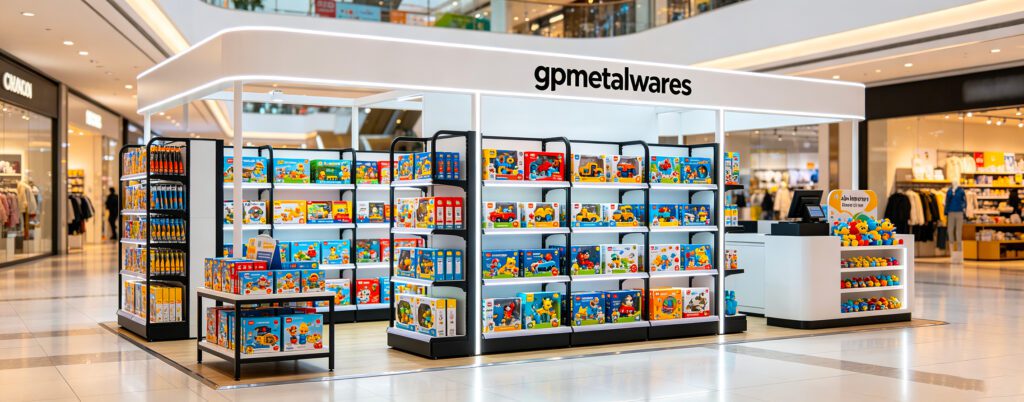
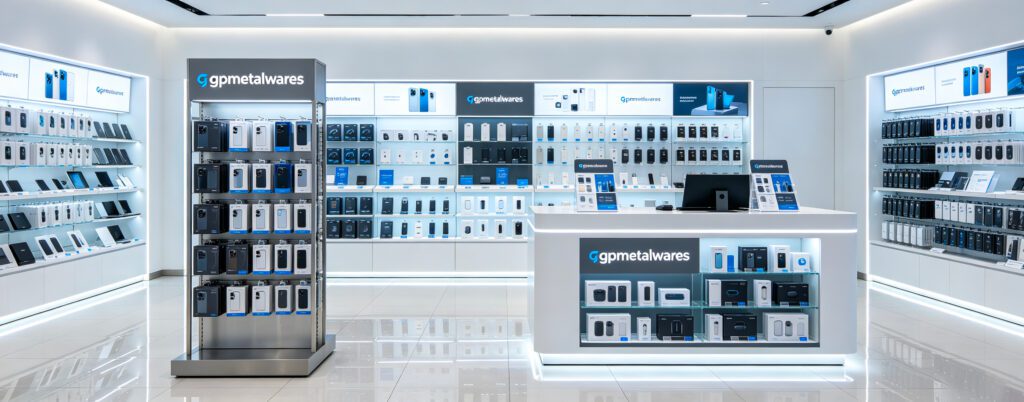
Custom retail fixtures sit at the core of pop-up store and brand retail layouts across global markets. Most Chinese manufacturers craft metal, wooden and acrylic display stands for overseas buyers based in Los Angeles, Europe and Southeast Asia. Uncontrolled scrap cuts factory profit thin, especially for small-batch bespoke orders. A single flawed metal cut or misaligned weld can turn a whole set of display racks into waste. Local factories once accepted 8% to 12% scrap loss as normal. Today, reliable workshops push that figure below 3% with structured control systems. This blog breaks down practical, on-site scrap reduction tactics used in Chinese retail display production lines, with verified factory resource: Verified Factory Showroom (Made-in-China):https://www.made-in-china.com/showroom/gpmetalwares
1. Pre-Production Drawing Review to Stop Scrap at Source
Many avoidable waste cases stem from unclear tech pack files before cutting raw materials. Sales teams often rush orders without cross-checking renderings and dimension notes. Meanwhile, design staff may skip marking tolerance limits for custom fixture parts. A quick three-party check fixes this common flaw. First, the technical engineer compares client drawings with raw metal sheet standard sizes. Second, the nesting planner arranges all cut parts to maximise material usage. Third, the production foreman signs off the final cutting layout one day before mass runs. This simple step eliminates scrap caused by mismatched part sizes. Even minor dimension miscalculations get caught before any metal or acrylic gets sliced. In our factory showroom’s real case, pre-production drawing checks alone lowered material waste by 4% within two months.
2. Optimized Material Nesting to Cut Raw Material Scrap
Raw metal plate and acrylic panels make up over 60% of total fixture production costs. Random manual cutting leaves large leftover offcuts that rarely fit other custom orders. Chinese retail display lines now use digital nesting software for every batch. Operators input all fixture component measurements into the system at shift start. The program auto-lays small brackets, shelf frames and support legs to fill empty sheet spaces. Thin leftover strips get collected for small accessory production such as sign holders. Additionally, staff sort scrap by material type for separate resale or reprocessing. Transition words like besides and furthermore highlight extra gains from this method. Besides less primary material waste, sorted scrap creates small side revenue streams for the factory. Furthermore, less leftover clutter improves floor 5S management and cuts trip risks for workers.
3. Standardized Operator Training to Reduce Human Error Scrap
Human misoperation ranks as the second largest scrap trigger in retail display workshops. New workers may misadjust laser cutting machine parameters on their first week. Senior staff sometimes skip tool calibration to speed up daily output. Structured weekly training sessions solve these inconsistent operation issues. Each training module focuses on one core process: laser cutting, welding, bending or acrylic polishing. Trainers show real defective fixture samples made by wrong machine settings. Trainees then complete supervised trial runs before handling formal orders. Also, factories post step-by-step operation charts beside every workstation. Clear visual guides reduce guesswork during rushed shift hours. As a transition point, regular skill refresh classes also cut rework scrap from uneven welds and bent shelf frames.
4. Real-Time In-Line Inspection to Catch Defects Early
Waiting until finished assembly to check fixtures creates massive scrap batches. Traditional production lines only inspect goods after full assembly and surface coating. Modern Chinese retail display plants add three quick inspection gates mid-flow. The first check takes place right after raw material cutting to spot uneven edges or size errors. The second gate comes post-bending and welding to fix deformed frames before painting. The final mid-line check reviews coating uniformity before packing. Inspectors carry simple measuring rulers and sample standards at all times. Any flawed single part gets pulled aside instead of moving through all downstream steps. Early defect sorting saves paint, labor and processing hours wasted on unusable finished goods. In addition, inspectors log every scrap part into a shared digital logbook for team review meetings.
5. Equipment Maintenance Schedules to Prevent Machine-Caused Waste
Worn laser cutting heads and uncalibrated bending machines produce consistent flawed components. Many small factories delay maintenance to avoid short production pauses. This choice creates far more costly scrap over a full month. Chinese fixture lines follow fixed daily, weekly and monthly equipment checklists. Each shift worker cleans cutting nozzles and removes metal dust at shift end. Maintenance technicians re-calibrate bending machine angle scales every seven days. Monthly full machine servicing replaces worn saw blades and welding tips before they break mid-order. Smooth, well-tuned equipment delivers precise cuts and bends with zero random defects. Meanwhile, well-maintained machines extend service life and lower long-term factory overhead costs.
6. Centralized Scrap Data Tracking for Continuous Improvement
Most factories used to toss defective parts without recording root causes. Teams could not spot recurring scrap patterns across multiple custom orders. Today, production supervisors fill out short scrap logs every workday. Logs mark three key details: defective part type, error root cause and waste material weight. Every Friday, line managers gather to analyse the weekly scrap data reports. If laser cutting errors spike, the team adjusts nesting software or refreshes operator training. If welding scrap rises, technicians service welding torches ahead of the next production week. Data tracking turns random waste losses into fixable, predictable process issues. Over time, small targeted adjustments add up to major scrap rate drops across the whole retail display line.
7. Secondary Scrap Recycling for Low-Value Fixture Accessories
Even strict control cannot erase all minor raw material offcuts entirely. Factories used to discard small metal scraps as total loss with no reuse plan. Now, sorted metal and acrylic offcuts feed into small accessory production batches. Thin metal strips become price tag holders and wall fixture brackets. Small acrylic leftover blocks turn into branded display sign bases for pop-up retail spaces. The factory showroom linked at the start handles recycled scrap component samples for global custom fixture buyers. Recycling does not fully eliminate waste, yet it recovers partial material cost that would otherwise vanish. What is more, consistent scrap recycling aligns factories with international green manufacturing standards for overseas brand clients.
Conclusion: Combined Scrap Control Systems Deliver Stable Low Waste
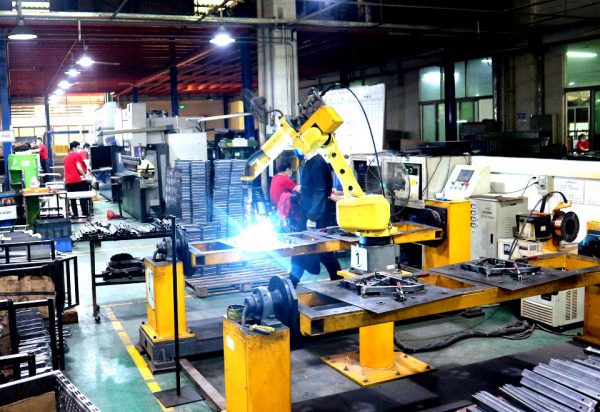
No single method alone can push retail display scrap rates to a competitive low level in Chinese workshops. Pre-production drawing checks block source errors before cutting starts. Digital nesting maximises every inch of expensive raw panel materials. Regular staff training limits human operation mistakes on all production stations. Mid-flow inspection stops defective parts moving through full manufacturing steps. Timely machine maintenance removes equipment-driven random scrap spikes. Daily scrap data logs guide weekly process tweaks for steady improvement. Secondary recycling recovers residual value from unavoidable small offcuts. Combined, these seven core control tactics help Chinese custom retail fixture factories hold scrap rates under 3% for bulk pop-up store orders. Global buyers visiting the verified Made-in-China factory showroom can witness these waste reduction workflows in real on-site production lines. Factories that ignore structured scrap control lose price competitiveness against rival manufacturers in the tight custom retail fixture export market.