Introduction: Why Production Methods Shape Your Retail Display ROI
Every retail such as Sony brand sourcing custom POS display stands faces one core choice.
You can order units built by hand, or those made via full factory automation.
Meanwhile, many overseas buyers overlook how production style impacts long-term costs.
Small boutique brands may lean into handcrafted display charm for niche stores.
Correspondingly, large chain retailers rely on automated lines for mass uniform fixtures.
This post breaks down key gaps between the two build processes.
It also covers critical sourcing tips for custom metal POS display stand orders.
1. Speed & Lead Time: Handcrafted vs Automated Manufacturing
Handcrafted POP Display Lead Times
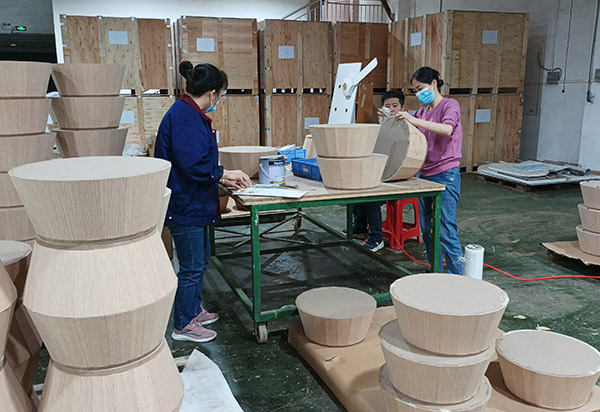
Handmade retail display work relies entirely on individual craftspeople.
Each pegboard tool hardware rack or cosmetic acrylic counter display gets built one at a time.
Additionally, artisans pause frequently to adjust sizes, polish surfaces, and fix minor flaws.
A small batch of 50 display units can take 15 to 30 working days to finish.
If you need urgent stock for seasonal retail promotions, handcrafted builds fall short fast.
Most handcraft workshops lack extra staff to rush bulk last-minute orders.
Automated POP Display Lead Times
Automated factory lines use robotic cutting, bending, coating, and assembly tools.
Machines run consistent cycles 8 to 10 hours each day without human fatigue breaks.
Secondly, pre-programmed equipment eliminates slow manual measuring and trimming steps.
A batch of 500 snack wood laminate shelf units can finish in just 5 to 8 working days.
For global brands rolling out nationwide retail refreshes, fast automated lead times cut supply chain delays.
Factories with full automation also maintain stable scheduling for recurring monthly display reorders.
2. Dimensional Consistency & Custom Size Compliance
Consistency Limits of Handcrafted Display Builds
Human hands cannot replicate exact millimeter measurements across dozens of fixtures.
Even skilled craftspeople create tiny gaps, uneven edges, and slight height differences.
Correspondingly, this inconsistency breaks the China display factory custom size rule for chain store rollouts.
When you order matching smart home floor demo fixture sets for 200 store locations, small mismatches ruin uniform in-store branding.
Handmade work often requires extra on-site store staff adjustments during display installation.
Precise Uniformity From Automated Production
CNC cutting machines, robotic benders, and digital jigs lock in fixed custom dimensions.
Every security camera retail showcase or liquor spiral display rack shares identical specs.
All units follow your submitted size blueprint without accidental human measurement errors.
Furthermore, automated workshops pre-test dimensional accuracy before mass production runs.
This consistent sizing meets strict global retail brand audit standards for cross-border orders.
Buyers avoid costly store layout rework caused by mismatched handmade display frames.
3. Surface Finish & Environmental Coating Quality
Handcrafted Eco Coating Drawbacks
Craftspeople apply eco paint or UV coating manually with basic handheld spray guns.
Uneven spray pressure creates thin spots, paint drips, and inconsistent color saturation.
Additionally, human workers cannot maintain stable curing temperatures for low-VOC coatings.
Hand-coated metal frames risk peeling, discoloration, or VOC residue that fails EU retail compliance checks.
For cosmetic acrylic counter display units meant for high-traffic beauty shops, flawed hand coating scratches easily.
Automated Eco Coating Advantages
Automated spray booths use computer-controlled spray nozzles with fixed pressure settings.
Every layer of water-based or powder eco coating distributes evenly across display surfaces.
Temperatures inside curing ovens stay locked at factory-programmed safe ranges.
Meanwhile, automated coating lines cut total VOC emissions far below global retail limit standards.
Finished custom metal POS display stand surfaces resist store cleaning chemicals and daily customer scratches.
Brands shipping displays overseas eliminate customs hold risks linked to unregulated hand coating.
4. Unit Cost Breakdown For Small & Large Batch Orders
Handcrafted Display Cost Structure
Handmade production charges high labor fees for skilled craftsperson working hours.
Raw material waste also rises, as human error creates cut metal, wood, and acrylic scrap.
For tiny test batches of 10 to 20 unique prototype displays, handcrafted pricing works reasonably well.
Conversely, scaling up to 200+ units pushes total handcrafted order costs drastically higher.
Most small craft workshops lack bulk raw material discount access available to large automated factories.
Automated Display Cost Structure
Automated lines spread expensive machine equipment costs across thousands of finished units.
Robotic cutting tools minimize raw material scrap, lowering per-unit material waste charges.
Raw metal, wood, and acrylic bulk shipments secure steep supplier discounts for automated factories.
For medium and large orders over 100 retail POP display stands, automated per-unit pricing drops sharply.
Even mid-sized brands ordering quarterly store refresh stock cut total sourcing spend with automated production.
5. Custom Design Flexibility & Prototype Development
Handcrafted Flexibility For Unique One-Off Designs
Craftspeople adjust build steps mid-process for highly unique, artistic custom display concepts.
If you need a fully custom small-batch liquor spiral display rack with irregular curved frames, handcrafting delivers unique artistic detail.
Small boutique brands creating limited-edition retail fixtures lean into handmade textural, hand-finished details machines cannot replicate.
Prototype tweaks for niche store concepts happen quickly without reprogramming factory automation equipment.
Automated Flexibility For Standardized Scalable Customization
Automated factories excel at standardized custom tweaks that repeat across bulk batches.
You can submit adjusted height, width, shelf spacing specs for custom metal POS display stand lines.
Engineers simply update machine digital blueprints once to apply changes to every unit in the batch.
However, fully irregular, artistic one-off display designs require costly machine reprogramming fees.
For mass chain retail brands with consistent brand fixture guidelines, automated customization delivers reliable repeatable results.
6. Long-Term Durability & Post-Sale Defect Risks
Handcrafted Display Durability Flaws
Manual welding, gluing, and assembly create weak joint points across display frames.
Constant customer touching, shopping cart bumps, and store cleaning wear weak handmade joints fast.
Minor hidden flaws like uneven welds only surface after 1 to 2 months of in-store use.
When mass handmade batches develop consistent joint failure defects, full order replacement costs fall to the buyer.
Most small handcraft workshops offer limited short-term defect warranty coverage for retail display stock.
Automated Display Long-Term Structural Stability
Robotic welding machines apply uniform, strong welds at every metal frame joint.
Digital assembly jigs lock wood, acrylic, and metal parts into perfectly aligned stable positions.
All finished fixtures pass factory automated impact and scratch durability testing before shipment.
Hidden structural defects rarely appear after automated production, as machines follow zero-error assembly routines.
Large automated display factories offer extended defect warranty terms for bulk cross-border retail orders.
Conclusion: How To Pick The Right Production Method For Your POP Displays
Your brand’s order volume, design style, budget, and rollout timeline decide your production choice.
For tiny prototype batches, artistic unique boutique store fixtures, handcrafted production fits best.
For medium-to-large chain store rollouts, standardized custom POS display orders, automated manufacturing delivers superior value.
Always cross-check factory production workflows alongside core SEO target products: custom metal POS display stand, pegboard tool hardware rack, cosmetic acrylic counter display, smart home floor demo fixture, security camera retail showcase, snack wood laminate shelf, liquor spiral display rack.
Adhere strictly to the China display factory custom size rule regardless of which production style you select.
Matching your production method to your retail business goals eliminates costly sourcing mistakes long-term.
Whether you prioritize unique handcrafted aesthetic or automated uniform cost efficiency, align your factory production workflow with your global retail expansion plans.