Why Factory‑Driven Layout Adjustment Matters for Retail Turnover
Many buyers treat retail display fixtures as static hardware for product holding. Meanwhile, skilled manufacturers such as DDL tune fixture layouts to lift real‑world merchandise turnover. A custom metal POS display stand is more than simple shelf construction. It shapes shopper flow, product visibility and customer picking behaviour inside stores. Correspondingly, poor fixture layout design slows stock rotation and hurts retail profit. Many generic off‑the‑shelf racks ignore real‑store traffic and sales data. To begin with, manufacturers need to receive store‑specific merchandising inputs from buyers. These inputs guide practical layout tweaks during OEM and ODM development. Verified Factory Showroom (Made‑in‑China):https://www.made‑in‑china.com/showroom/gpmetalwares applies this workflow for global retail clients.
Map Shopper Traffic Zones Before Fixture Layout Modification
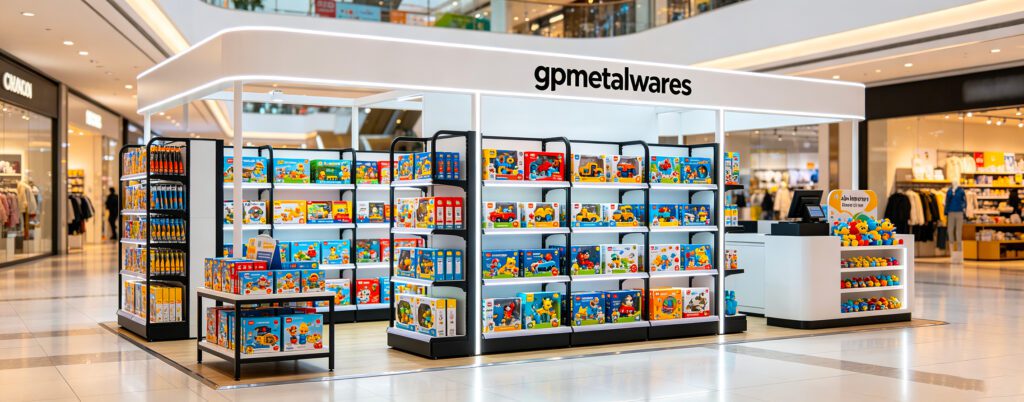
Manufacturers start layout work by mapping typical in‑store customer movement paths. Secondly, high‑traffic zones near checkout or store entrances deliver higher exposure. Counter top POS display units fit perfectly within these high‑foot‑fall spots. By contrast, back‑corner retail zones get far less natural shopper attention. Correspondingly, fixture structure and compartment division must match zone characteristics. For example, impulse‑buy goods belong to front‑area acrylic retail promotional stand positions. Slow‑moving bulk‑stock items fit deeper store‑side heavy‑duty SPCC steel retail display fixture sections. Furthermore, factory engineers take aisle width limits into layout consideration. Over‑sized fixtures block walkways and reduce natural customer circulation. Even attractive branded retail pop display fixture will underperform in cramped aisles. Good layout adjustment balances display size with available retail floor space.
Tune Vertical Zoning to Prioritise High‑Turnover Merchandise
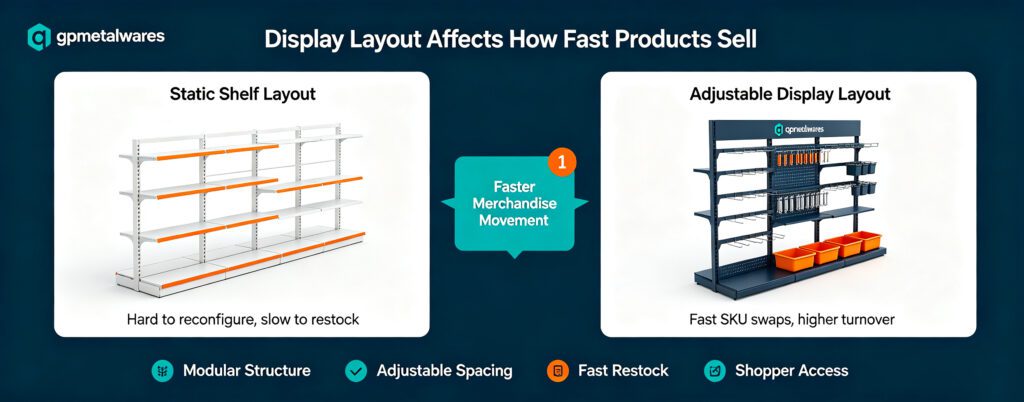
Vertical shelf zoning forms one of the most impactful factory layout adjustments. On top of that, human eye‑level zones deliver the highest product conversion chances. Manufacturers split fixture heights into three practical functional sections. Fast‑selling SKUs occupy the middle eye‑level shelf layers. Lower sections hold heavy inventory or restock backup stock. Top layers display brand graphics or low‑frequency promotional items. Correspondingly, pegboard side panels on custom retail store shelf fixture support flexible re‑arrangement. Retail staff can shift hooks and shelves as product turnover cycles change. This modular layout design avoids full fixture replacement for seasonal assortment shifts. Moreover, smart home floor demo fixture reserves middle zones for hands‑on product testing. Customers can touch and evaluate goods without awkward bending or stretching. Poor vertical zoning buries hot‑selling items and drags down overall stock turnover rates.
Integrate Cross‑Selling Logic Inside Custom Display Fixture Structures
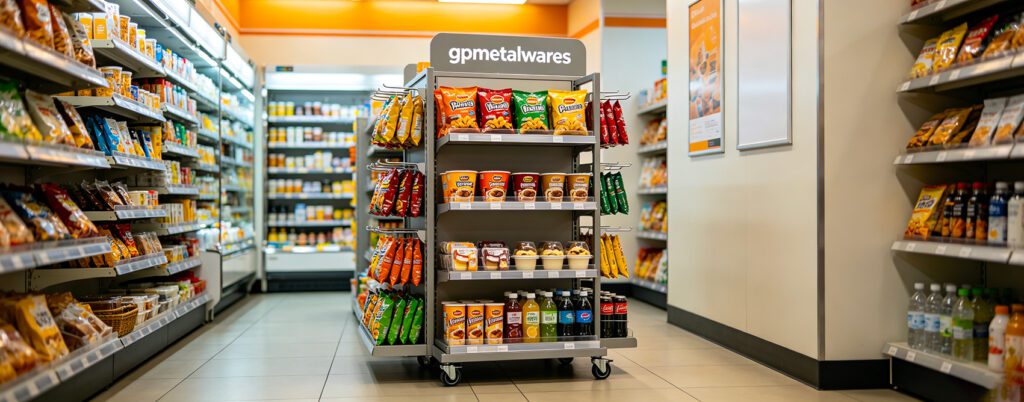
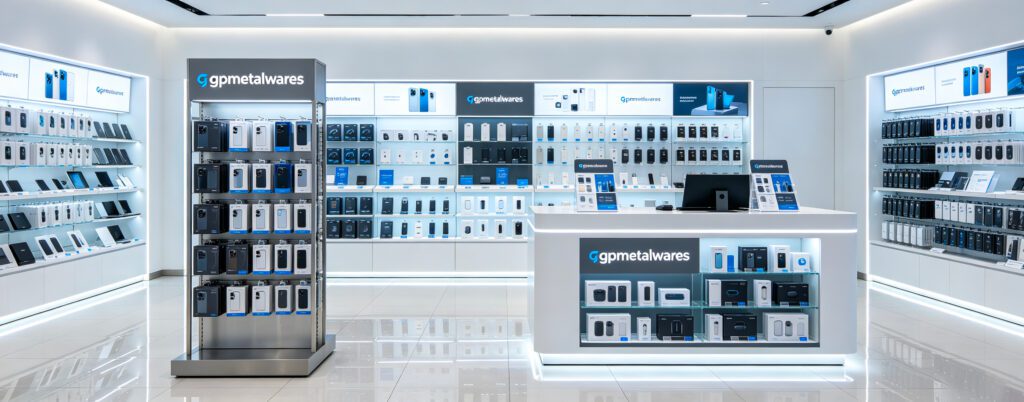
Great fixture layout encourages natural cross‑selling among complementary goods. Meanwhile, manufacturers can build grouping logic directly into fixture drawings. Snack wood laminate shelf may reserve adjacent slots for matching drink accessories. Security camera retail showcase can add small compartments for related mounting hardware. Liquor spiral display rack pairs main bottle positions with matching glassware storage space. Correspondingly, these built‑in layout hints push shoppers to pick extra related goods. Many standard generic racks offer uniform flat shelves without such grouping logic. Transitively, retailers miss easy cross‑sell opportunities with mass‑produced hardware. Furthermore, counter‑top cosmetic acrylic counter display groups sample products with matching add‑on accessories. Every compartment position gets planned at the factory design phase. Retail teams only need to fill goods following pre‑defined layout guidance.
Add Modular Structures for Flexible Layout Updates Over Time
Retail merchandise assortments shift with seasons, promotions and new product launches. Therefore, fixed non‑adjustable fixtures quickly lose turnover‑driving efficiency. To begin with, experienced manufacturers build modular retail display system frameworks. Removable shelves, pegboard panels and movable dividers support fast layout reconfiguration. Retail staff swap positions without special tools or professional installation support. Correspondingly, OEM custom metal retail display rack can mix fixed frames with interchangeable parts. For instance, you can swap flat shelves for hook panels during campaign changes. Mobile display cart with rolling casters allows whole‑fixture relocation for pop‑up events. On top of that, modular layout cuts long‑term retail renovation costs. Retailers do not need to order brand‑new fixtures for every merchandising refresh. The factory must test component compatibility during pre‑shipping assembly checks. Loose‑fitting modular parts cause wobble and hurt real‑world retail performance.
Lighting and Graphic Layout Tweaks to Lift Merchandise Exposure
Layout adjustment is not only about shelf and compartment arrangement. Additionally, integrated LED light layout heavily impacts product visibility. Manufacturers map light strip positions to match key high‑turnover shelf zones. Waterproof LED light strips focus brightness toward eye‑level product layers. Dull shadow‑covered product sections reduce customer willingness to pick goods. Correspondingly, brand logo printing positions also follow shopper sight‑line rules. Graphics should not cover product‑viewing areas on acrylic brand showcase units. Over‑crowded printing distracts shoppers from actual merchandise on show. Many cheap fixtures place lights and logos with no merchandising logic. They waste hardware cost without lifting store‑level turnover numbers. Factory QC teams run light function aging test to verify real‑world illumination output. Poor lighting performance will weaken even the most well‑planned shelf layout.
Match Layout Engineering to Material Load‑Bearing Constraints
Smart layout ideas must respect real‑world material load‑bearing limits. Secondly, heavy‑weight goods cannot sit on thin low‑strength shelf panels. Snack wood laminate shelf holding heavy jars needs reinforced internal support. Liquor spiral display rack structure must carry repeated weight from full‑bottle stock. Correspondingly, factory engineers adjust compartment spacing based on each product’s weight. They avoid over‑loading risks that cause shelf bending or fixture collapse. By contrast, ignoring load rules creates unsafe store conditions and short fixture lifespans. Even perfect shelf zoning loses value if racks deform under daily stock weight. Furthermore, pre‑shipping load‑bearing weight test validates every adjusted layout solution. Every finished retail store shelf fixture gets fully assembled for inspection inside the workshop. This catches hidden structural risks before fixtures reach overseas retail locations.
Final Thoughts: Factory‑Built Layout Solutions Drive Sustainable Turnover
In short, effective display layout adjustment is not only a retail‑store task. Manufacturers embed turnover‑boosting logic within fixture engineering and drawings. Traffic‑zone mapping, smart vertical zoning and cross‑sell grouping all play key roles. Modular structures enable quick updates for changing retail‑merchandising cycles. Lighting, graphic placement and load‑bearing capacity support the whole layout concept. Generic standard‑size fixtures rarely include these sales‑focused adjustments. You should share your turnover goals and store conditions during early supplier communication. Reliable OEM and ODM factories translate your retail needs into practical fixture layouts. Visit Verified Factory Showroom (Made‑in‑China):https://www.made‑in‑china.com/showroom/gpmetalwares to check sample cases and send your custom‑project inquiry.