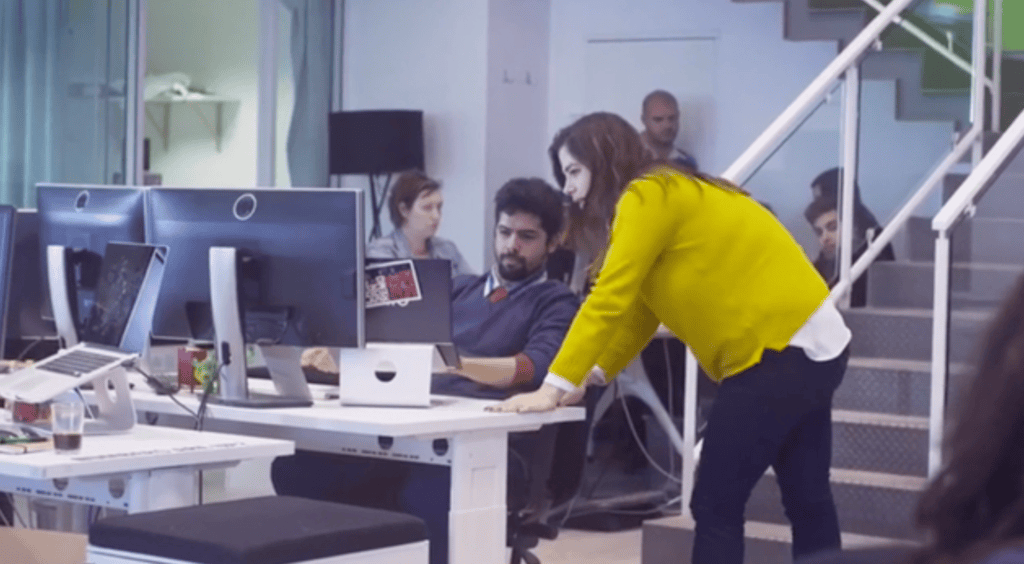
Display manufacturer customization process
Retail brands rely on tailored displays to stand out in physical stores. Pre-made metal racks often fail to fit unique store layouts. They also cannot match exclusive brand visual styles. Many overseas buyers face common sourcing troubles. These troubles include design gaps and factory communication errors. Worse still, finished goods may not fit actual in-store spaces.
For these reasons, professional Chinese metal display factories offer full on-site customization services. This practical, client-focused workflow covers every key step. It starts from requirement collection and ends with export delivery. Furthermore, it fixes most custom display sourcing pain points for global retailers.
1. Client Requirement Confirmation and On-Site Data Collection
Every custom display project begins with detailed one-on-one communication. Professional teams sort out your core merchandising needs first. They confirm product types, display purposes and brand style rules.
Next, factory staff collect accurate on-site store data. They measure store width, ceiling height and aisle space. They also record local retail safety standards for reference.
Unlike generic suppliers, reliable factories prioritize real usage scenarios. They avoid impractical designs that look good but fail in actual stores. As a result, this step builds a solid base for accurate custom design.
2. Custom Scheme Design and 3D Rendering Preview
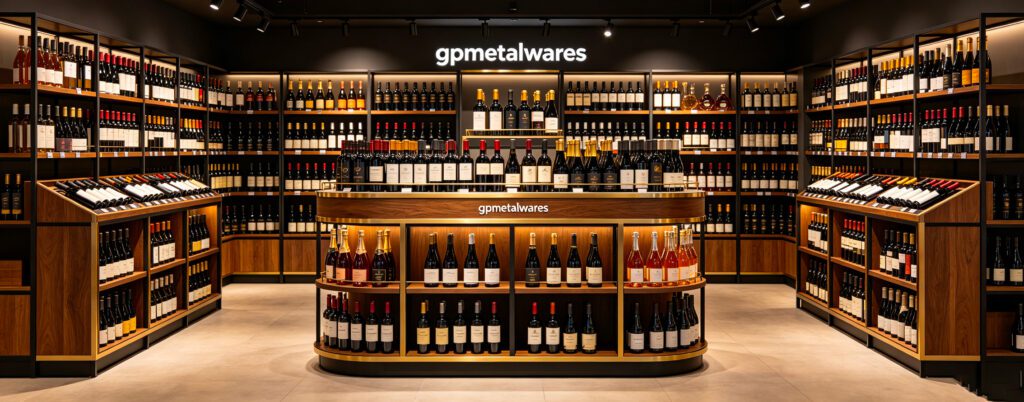
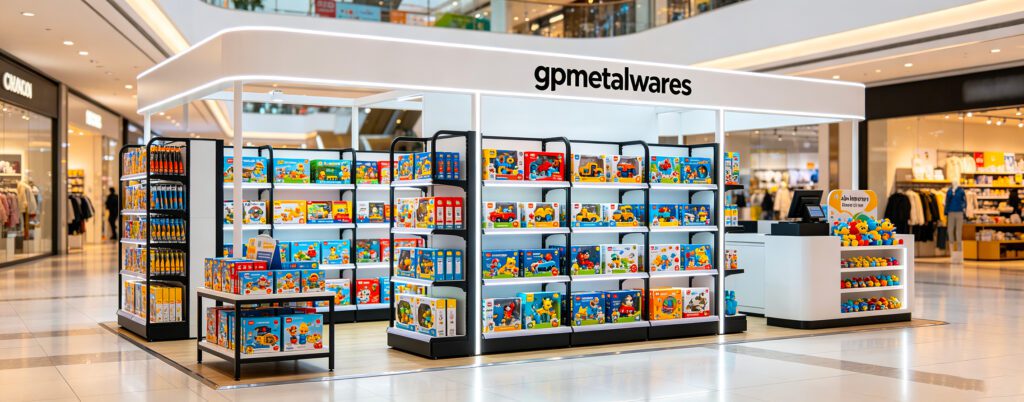
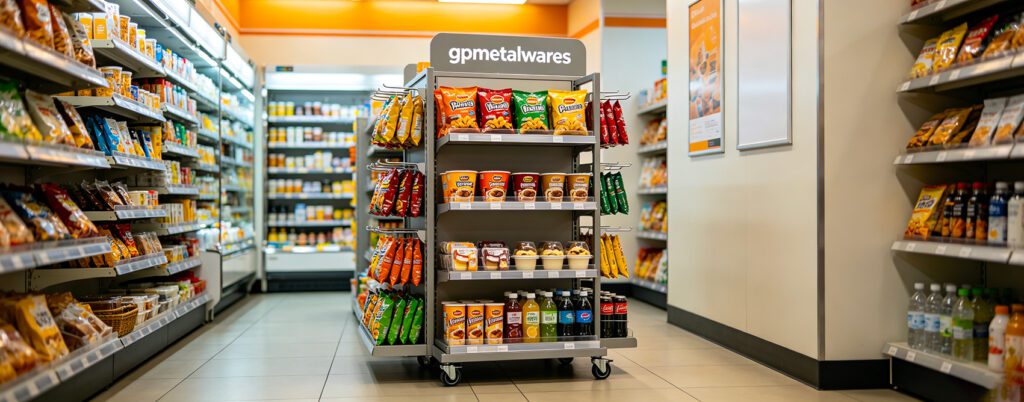
After gathering all store and brand data, designers create exclusive display schemes. They integrate brand colors, logos and daily product placement habits.
Meanwhile, the team produces high-definition 3D renderings for free. You can view the full display effect before any production starts.
If you need minor adjustments, designers revise the scheme instantly. This flexible on-site cooperation cuts unnecessary repeated work. It also greatly shortens the whole project timeline. (Display manufacturer customization process)
3. Material Selection and Full Parameter Verification
Display material quality directly affects fixture durability and texture. Hence, formal manufacturers provide multiple metal material options.
Available materials include SPCC steel, stainless steel and alloy frames. Staff explain each option’s load capacity, anti-rust performance and cost range.
In addition, workers verify all custom parameters face to face. These details cover size, shelf spacing, surface finish and logo styles.
Even tiny structural details get double checked carefully. This strict verification prevents parameter errors during mass production.
4. 1:1 Prototype Production and On-Site Optimization
Before bulk orders, factories make standard 1:1 physical prototypes. Prototypes adopt the exact same materials and crafts as final products.
You can personally test rack stability, load capacity and surface texture. You can also check its compatibility with your real store environment.
Moreover, professional engineers optimize flawed structures on site. They fix loose joints and unreasonable layouts right away.
This prototype stage avoids large-scale defective production risks. It also saves your extra rework costs and waiting time.
5. Formal Mass Production and Real-Time Progress Updates
Once prototypes and designs gain full approval, mass production begins. Factories arrange independent production lines for custom orders.
Workers strictly follow confirmed designs for every production step. Key processes include laser cutting, precision welding and powder coating.
Besides standardized production, teams send regular progress updates. You can track order status remotely without factory visits.
Therefore, every batch of custom metal displays maintains stable and uniform quality.
6. Comprehensive Pre-Shipment On-Site QC Inspection
Quality inspection acts as a critical barrier before product delivery. Professional QC teams carry out full-range on-site checks.
They test structural stability, surface flatness and scratch resistance. They also check logo clarity and overall aesthetic performance.
Any unqualified products receive immediate on-site rework. No defective items will enter packaging and shipping procedures.
Additionally, factories provide complete inspection photos and videos. This transparent process eliminates all after-sales quality disputes.
7. Custom Export Packaging and Global Shipping Arrangement
After passing strict QC tests, fixtures get professional export packaging. Thick foam and custom cartons prevent transit damage and scratches.
Meanwhile, the internal logistics team arranges flexible shipping solutions. Common terms include EXW, FOB and door-to-door DDP service.
They prepare complete customs clearance documents for different regions. This work ensures smooth and fast global cross-border delivery.
总结
The full on-site customization process from Chinese metal display manufacturers is highly systematic. It covers every detail from initial consultation to final shipment.
It effectively solves common sourcing problems such as design mismatch and unstable quality. It also bridges communication gaps between overseas buyers and factories.
If you need reliable custom metal retail displays, choose factories with full on-site customization services. You will gain high-quality fixtures and worry-free one-stop procurement experience.